Pulitzer’s paper was so identified with the interests of the poor, readers would write in offering tips on corrupt businesses, or sometimes, just flat out asking for money. -Kim Todd, Sensational
By emphasizing a boots on the ground style of reporting that favored writers willing to chase down leads, Pulitzer, perhaps inadvertently, found himself in a newsroom full of detectives.
This may not seem so unnatural to the modern ear, given the prevalence of journalists in detective novels, but at the time, municipal police forces were a fraction of the presence they are today, and private detectives were not exactly interested in helping the little guy.
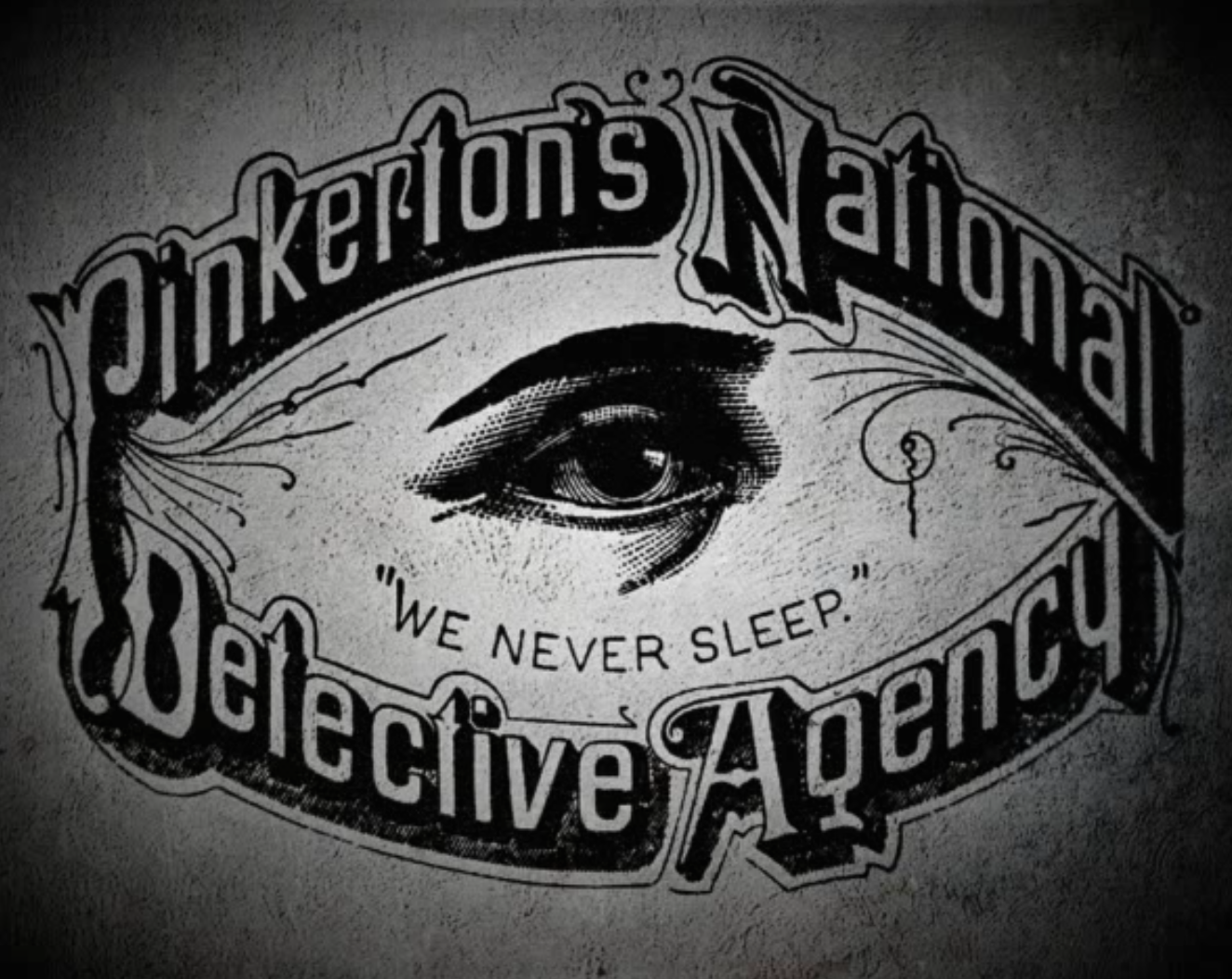
The most prevalent detective force of the 19th century was the Pinkerton agency, started in 1850 by Allan Pinkerton. Pinkerton framed himself as a “gentleman detective,” but his agency is most well-remembered for infiltrating unions and putting down labor agitators with deadly efficiency.

There is no questioning the influence the Pinkertons had on modern policing, but they have always been on the side of those with power, protecting profit and property over people. However, in Pulitzer’s journalists, the downtrodden and unprotected saw a counterpoint to the all-powerful private detectives.
Pulitzer always attempted to frame his paper as an institution on the side of the common man, saying in 1889 “God grant that the World may forever strive toward the highest ideals, an instrument of justice, a terror to crime, an aid to education, an experiment in true Americanism.”
Immigrants saw themselves in Joseph Pulitzer and trusted that his reporters, who were often dispatched to investigate concerns relayed by readers, had their best interests at heart. Then, once reporters at the World began to participate in stunt reporting, their reputation as detectives only grew.
Stunt reporters, much like the Pinkertons, infiltrated organizations, interviewed pertinent witnesses, and doled out consequences deemed appropriate by their employers. Only, instead of firing, arresting, or killing their marks, the reporter simply laid bare their crimes, subjecting them to a trial in the unforgiving court of public opinion.
It is through this similarity in methods that reporters of the Gilded Age gained a reputation as detectives, and it is why investigative journalism remains such an important part of the field today.
Sources
WILLS, JOCELYN. “S. Paul O’Hara. Inventing the Pinkertons; or, Spies, Sleuths, Mercenaries, and Thugs: Being a Story of the Nation’s Most Famous (and Infamous) Detective Agency.” The American Historical Review 124, no. 2 (2019): 680–81
MORRIS, JAMES McGRATH. “Man of the World.” The Wilson Quarterly (1976-) 34, no. 1 (2010): 28–33.
TODD, KIM. 2023. Sensational: The Hidden History of America’s Girl Stunt Reporters. Harper Perennial.
Leave a Reply